Introduction
“That everyone should eat and drink and take pleasure in all his toil—this is God’s gift to man.” (Ecclesiastes 3:13).
I’m am sat here wondering why it took me until the very last blog post to realize that adding a Bible verse provides instant gravitas. (Maybe it’ll assist me in doing well😂) I wish I’d thought of this the second I started! But I suppose when you’re in the thick of it, your only focus is on keeping the “server” from crashing.
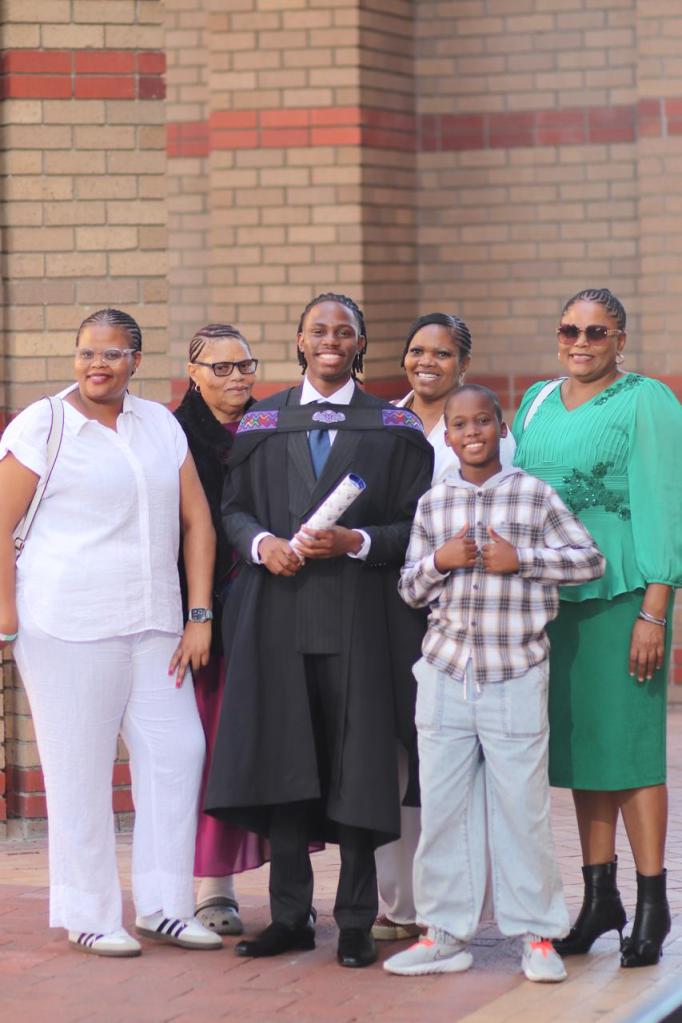
And just like that, we’re nearing the very needed “git commit” of the semester. These final weeks have been by far the heaviest, most rapid and most difficult to gain control of. From falling ill in the week of my graduation, to my older brother’s wedding in the Eastern Cape; just simple calling this past month “busy” would be an understatement. Amidst the chaos of life, I’ve had this profound realization: being an Information Systems professional is more about being a moral navigator than just a data wrangler.
Despite the exhaustion, I am incredibly grateful for this journey through IFS740. It pushed me out of the lecture rooms and into the real world, where learning about the daily significance of community street vendors has inspired me to bridge the gap between high-level strategy and lived reality. This final post is my deep dive into the technical trade-offs of our project, the unpredictable futures we’re designing for, and how my own ‘internal software’ has been completely rewritten.
Debugging the Trade-offs: Why Every QR Code Needs a Heart
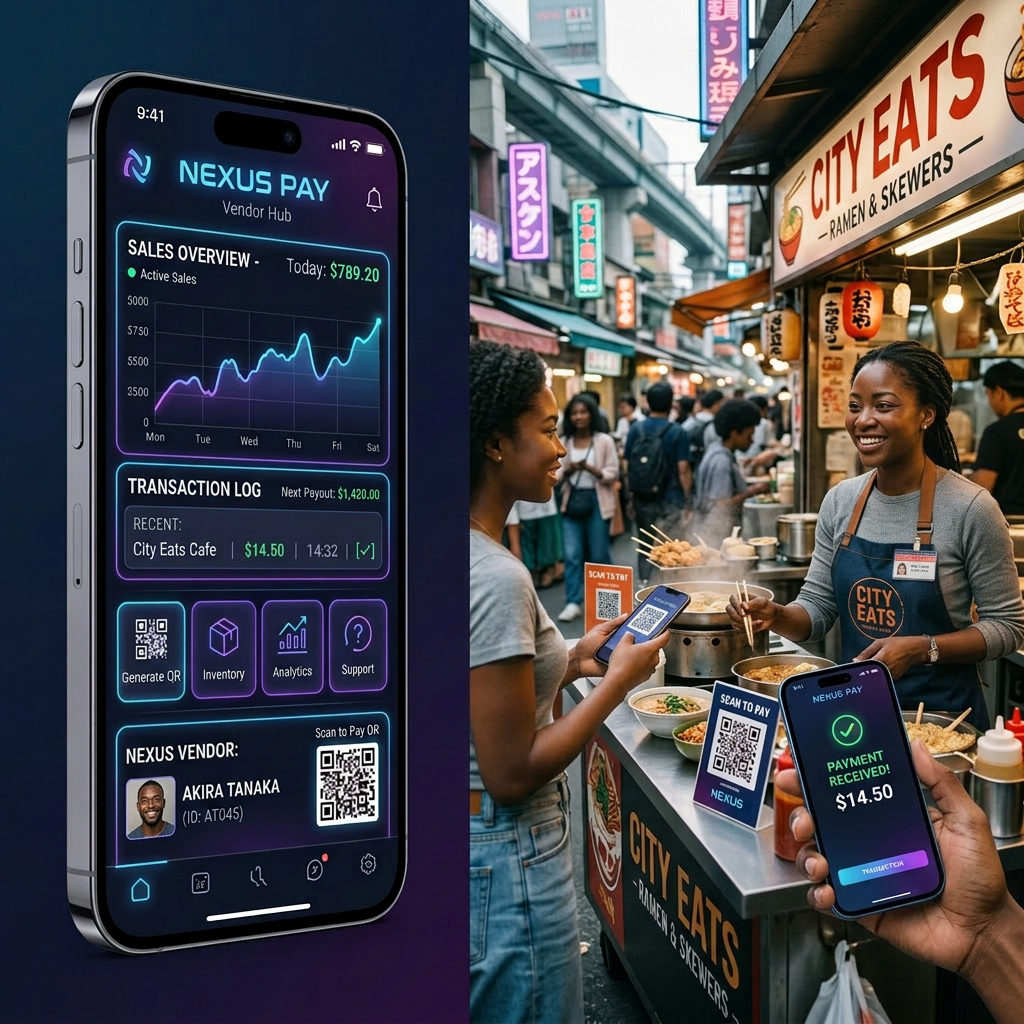
In Week 9, the honeymoon phase of “having a great idea” was over. All the excitement and intrigue had quickly vanished. We had to move from a cool app idea to actual System Thinking. We weren’t just designing a voice-ledger or a QR scanner for our food vendors; we were translating messy human needs into technical specifications.
I’ve learned that every technical choice is actually a strategic statement. For our vendors in Belhar; we faced a major dilemma: do we build a high-resolution, feature-rich interface that looks amazing on a laptop, or do we stick to “frugal innovation” that gives our users exactly what they need?
We opted for the latter. This was because we realized that for a vendor working alone to cut staff costs; every extra second spent clicking through a menu is a lost opportunity and more importantly, a loss in revenue. By opting for a voice-ledger, we prioritized accessibility for vendors who struggle with literacy. It was a conscious trade-off: we gained a much more inclusive tool on the ground, even if it meant sacrificing the technical ‘neatness’ and simplicity of a traditional text-based database. I’ve realized that the “test” of a good system isn’t whether it works in a lab, but whether it holds up on the ground in Belhar on a Tuesday afternoon during a power cut. Designing for constraints isn’t lowering your ambition; it’s being realistic enough to actually be useful.
The 2×2 Reality Check: Scenario Planning for a Future that Won’t Sit Still
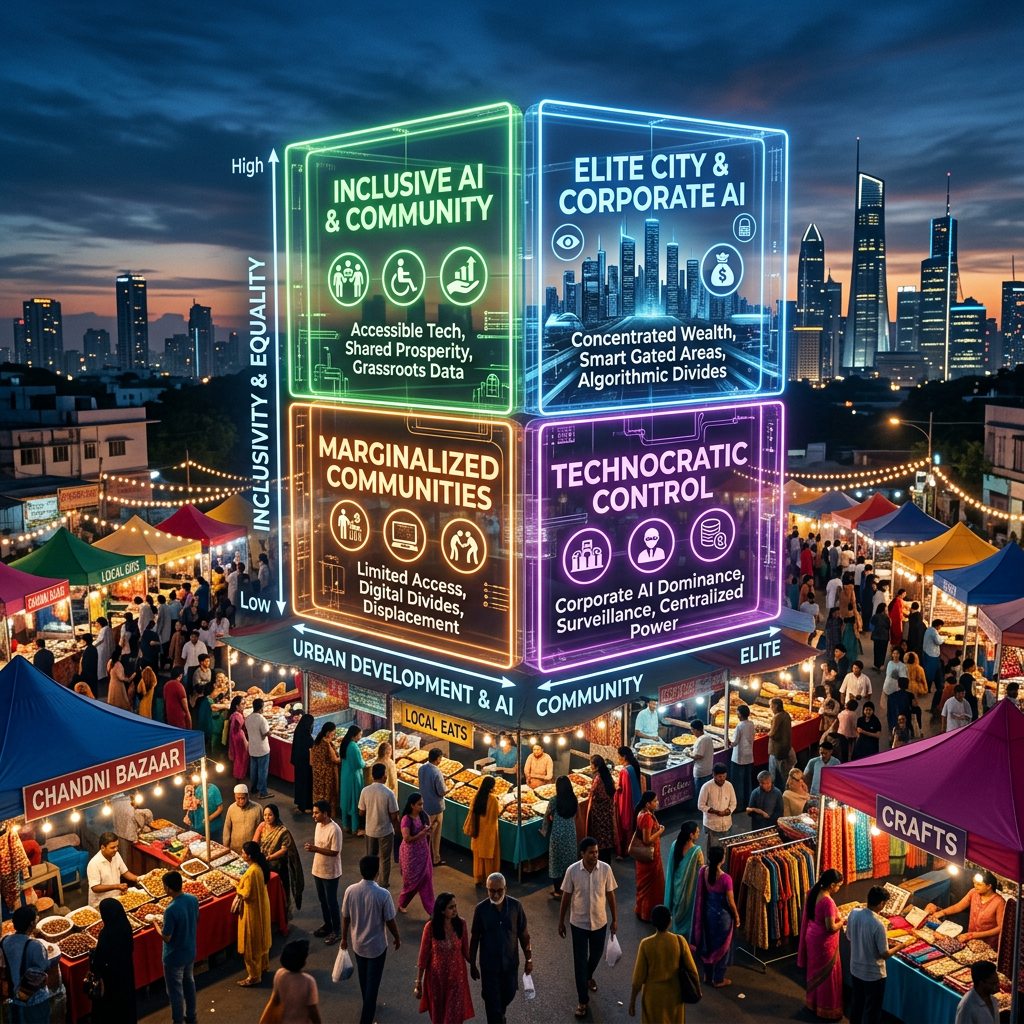
Week 10 forced us to neglect the present and focus on the Digital Futures. Using the PESTLE framework on the informal economy was a massive eye-opener. It forced us to look beyond the “T” ( which stands for Technology) and realize that economic shocks (like the cost of data increasing) or political shifts can kill a project faster than a bug in the code.
Scenario Planning was our way of asking ‘what if?’ about the future. We focused on two huge variables: how AI is regulated and how many people actually have access to digital tools. By crossing these on a 2×2 grid, we came up with four possible scenarios for Belhar in five years. One story is the ‘Tech Elite World,’ where big corporations control all the AI and leave the vendors behind, making that ‘December Vacuum’ that our vendors experience even harsher. But we also imagined an ‘Inclusive AI Future,’ where despite the limited resources our vendors have, they are still given a real seat at the digital table. This is the world where our voice-ledgers and QR scanners aren’t just fancy gadgets, but powerful tools that turn their everyday hustle into a sustainable success story This is the version we are attempting to build, where tech is fair and accessible, allowing tools like our voice-ledger to empower the entire community.
This taught me that trends provide direction, not certainty. Strategic insight doesn’t come from guessing the future correctly; it comes from identifying “weak signals” today so we aren’t surprised tomorrow. If I’m designing a system, I have to ask: Is this design robust enough to survive a future where the internet becomes even more expensive? Thinking systemically means understanding that my responsibility doesn’t end at the vendor’s phone screen.
System Reboot: Purpose Over Profit
Finally, Week 11 brought the whole journey home. Reflecting on this semester, I’ve had a major “internal upgrade.” At the start of the year, I viewed Strategic IS Management as a corporate toolkit; a way to help big companies get a competitive edge.
I was wrong.
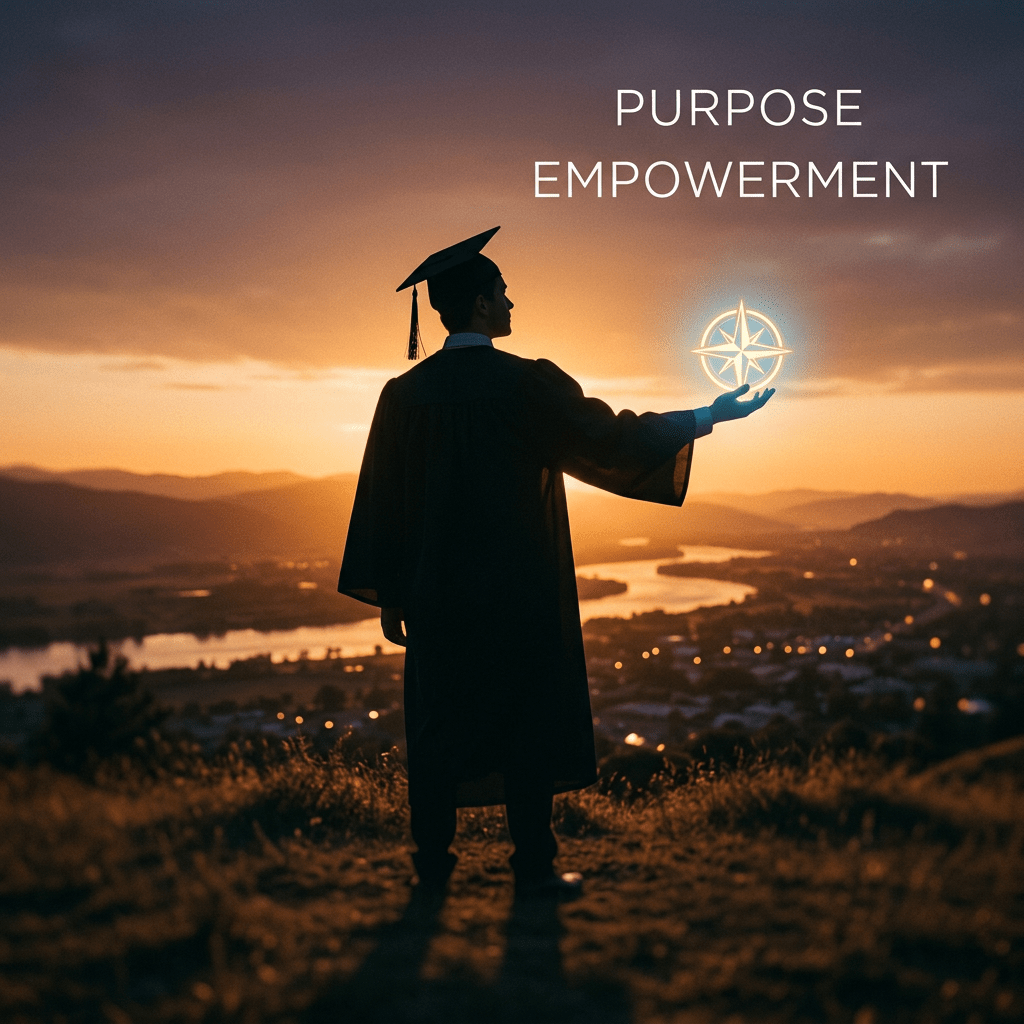
Now, I see IS strategy as a moral compass. My thinking has evolved beyond the simples idea of profit. My focus is on Purpose. The mindset shifts suggested by Sachs and Kundu have become my new operating system. I’ve moved from wanting Control (designing for the user) to wanting Empowerment (designing with the user).
Seeing the “Infrastructure Crisis” in a home kitchen in Bellville made the “People, Process, Technology” triangle real. You can’t solve a physical ceiling with just software. You need Inclusive Vision. I’m no longer just an analyst who looks at data points; I am an advocate for a workforce that prioritizes ethical reasoning and human dignity over simple automation.
Conclusion: The Final Stance
As I close this blog and prepare to “push” my final thoughts, my stance is clear: We can’t let the hidden, secrets of technology become a new form of digital colonialism in the Global South. If we can’t see how these systems are used to make decisions, we can’t ensure they are being fair to our people. Whether it’s debugging a voice-ledger or navigating the global landscape of AI ethics, I’ve learned that Adoption is a choice of trust.
I’m walking away from IFS740 not just with an understanding of frameworks, but with a deep sense of responsibility. The future isn’t fixed, it’s something we are actively shaping with every line of code we write and every strategic choice we make. It’s time to build tech that actually fits the world we live in.
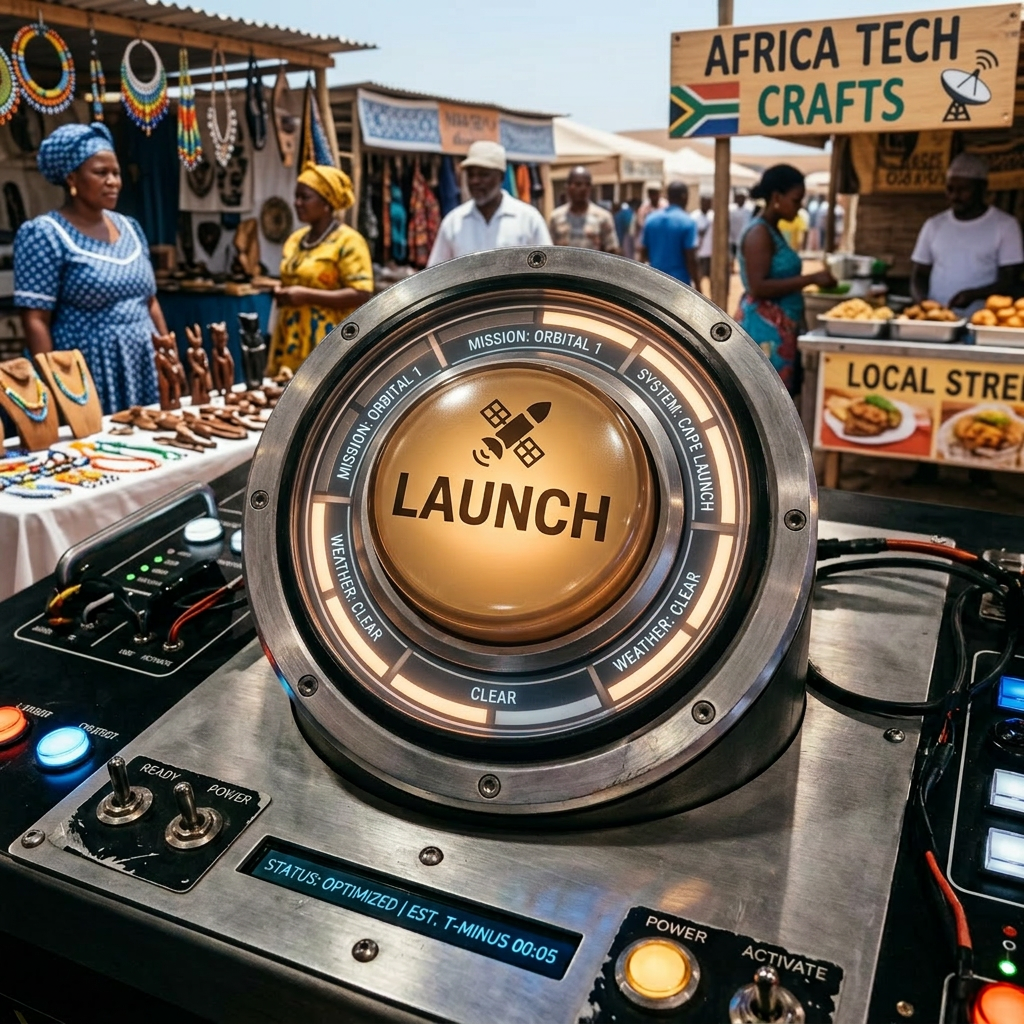
Status: System Optimized. Ready for Go-Live.
 Site Title
Leave a comment